

The transport sector is a vital component of Togo's economy, with a significant number of commercial vehicles navigating its roads daily. For operators, drivers, and fleet owners, understanding and complying with the country's legal requirements is not just a formality—it is a mandatory measure for safety, legality, and business continuity. Failure to meet these standards can result in severe penalties, including fines, impoundment, and legal action.
To ensure you operate your business in full compliance, here are seven key legal requirements for commercial vehicles Togo.
- The Professional Driver's Licence
Any person operating a commercial vehicle must possess a valid professional driver's license. This is different from a standard private vehicle license and indicates that the driver has met specific training and competency standards for public or commercial transport. The license must be renewed periodically and carried by the driver at all times.
- Valid Vehicle Registration (Carte Grise)
All commercial vehicles Togo must have a valid Carte Grise, which serves as the vehicle’s official registration document. This card contains important information about the vehicle, including its ownership, chassis number, and technical specifications. It must be kept in the vehicle and produced upon request by law enforcement officials.
- A Commercial Transport License
In addition to standard registration, commercial vehicles must obtain a specific commercial transport license. This license, often referred to as a permis de transport or licence de transport, is issued by the Ministry of Transport. It authorizes the vehicle for commercial activities, such as carrying goods or passengers, and is a clear indicator that the vehicle is approved for commercial use.
- Compulsory Insurance
All commercial vehicles Togo must be covered by valid third-party liability insurance. This is a mandatory requirement that protects against damages or injuries caused to third parties in the event of an accident. Operating a vehicle without this insurance is a serious offense that can lead to heavy fines and vehicle impoundment.
- The Technical Inspection Certificate
Commercial vehicles are subject to regular and rigorous technical inspections to ensure they are roadworthy and safe for operation. A valid certificate from the official inspection center is required. This inspection covers key safety components, including the braking system, lights, steering, and tires. This is a crucial step to ensure the safety of both the driver and the public. For more information on vehicle safety and regulations across the African continent, you can explore resources like those at AfriCarGroup.
- Vehicle Markings and Identification
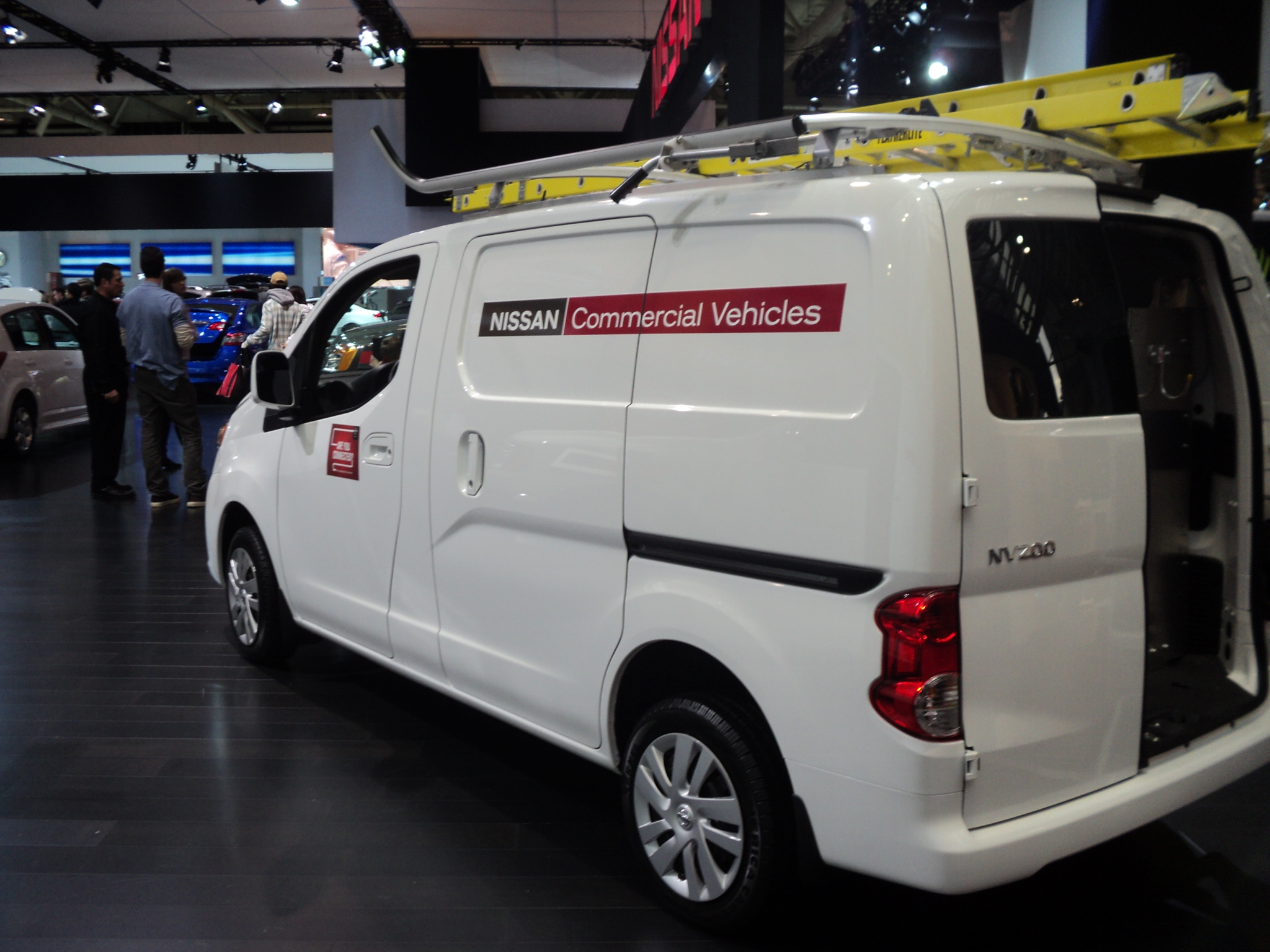
Commercial vehicles are often required to display specific markings, such as the company name, a unique registration number, and possibly their destination or intended use. These markings aid in identification and compliance with regulations. Trucks, buses, and other large commercial vehicles Togo may also be required to have special reflective markers and warning signs.
- Correct Safety Equipment
A well-equipped vehicle is a compliant vehicle. Commercial vehicles must carry a range of mandatory safety equipment, including a fire extinguisher, a first-aid kit, a warning triangle, and a spare tire. This equipment is not only a legal requirement but also crucial for handling on-road emergencies.
By adhering to these seven key requirements, operators can ensure that their commercial vehicles Togo are fully compliant, contributing to a safer and more efficient transport industry.
What are your top tips for managing a commercial fleet in Togo? Share your insights and experiences in the comments below!