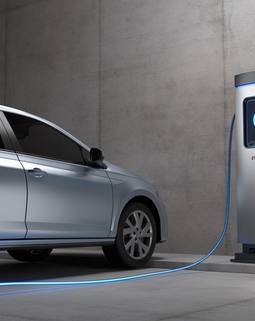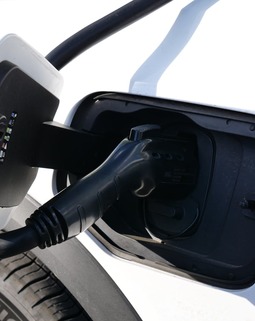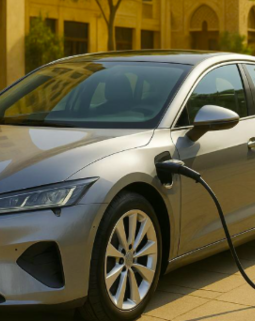


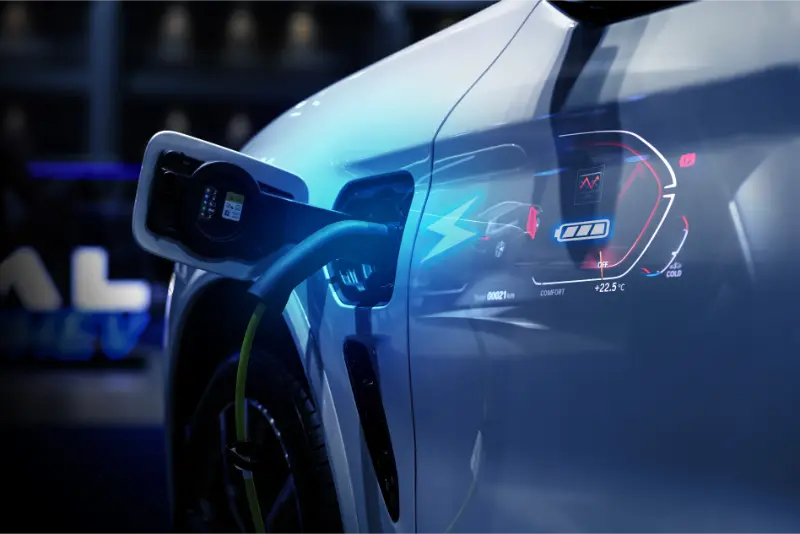
Togo has taken another step toward cleaner transportation with the introduction of Togo electric vehicles into the country’s public-sector fleet. The Ministry of Environment and the Golfe 3 municipality officially received new electric cars in Lomé as part of the government’s expanding electric mobility strategy.
The delivery marks an important milestone in Togo’s national plan to promote sustainable transportation and reduce vehicle emissions linked to government travel. Supported by international partners, the initiative aims to encourage the use of electric vehicles in both public and private sectors.
Officials say the deployment of Togo electric vehicles represents a practical move toward greener mobility while also lowering long-term fuel costs for government operations.
Electric cars added to government vehicle fleets
The newly delivered Togo electric vehicles include two fully electric cars valued at approximately 64 million CFA francs. These vehicles will be used by the Ministry of Environment and the Golfe 3 municipal administration for official duties.
Government representatives believe that switching to electric cars for official transport can significantly reduce fuel consumption while demonstrating the country’s commitment to climate-friendly transport solutions.
Reducing emissions from government vehicles
Transport emissions remain a major contributor to urban air pollution in Lomé and other cities. The introduction of Togo electric vehicles is expected to help reduce greenhouse gas emissions generated by government vehicles that typically rely on petrol or diesel engines.
Electric cars offer several environmental benefits:
-
Zero tailpipe emissions during operation
-
Lower fuel and maintenance costs
-
Reduced dependence on imported fossil fuels
-
Quieter and more energy-efficient transport
Officials say these advantages make EVs an effective tool for reducing environmental impact while modernizing government fleets.
Part of Togo’s national electric mobility strategy
The delivery of Togo electric vehicles forms part of the country’s broader electric mobility strategy launched in 2025. The national plan focuses on accelerating the transition toward sustainable transport while reducing the environmental impact of road traffic.
Authorities are increasingly concerned about the growth of vehicle emissions as the number of cars on the road continues to rise. Like many countries in West Africa, Togo relies heavily on imported used vehicles, many of which are older and produce higher levels of pollution.
Expanding electric mobility across the country
By introducing Togo electric vehicles into government fleets, officials hope to demonstrate the viability of EV technology and encourage wider adoption across businesses and private drivers.
International partners supporting the project believe the initiative could attract additional investment into the country’s electric mobility ecosystem. This could include funding for EV infrastructure, charging stations, and future electric vehicle purchases.
Growing need for cleaner cars in Togo
Rapid population growth and rising car ownership are increasing pressure on Togo’s transport sector. Older vehicles with outdated engines are contributing significantly to urban pollution levels.
The government sees Togo electric vehicles as a key part of its strategy to reduce these environmental challenges while moving toward cleaner energy sources.
Experts believe that expanding EV adoption could help improve air quality in major cities while also supporting national climate commitments.
For readers interested in automotive trends and mobility innovations across Africa, platforms like AfricaCarNews regularly highlight developments shaping the continent’s car industry and electric vehicle transition.
The future of Togo electric vehicles
The introduction of Togo electric vehicles into public fleets may be just the beginning of a broader transformation in the country’s transport sector. As infrastructure develops and awareness grows, electric mobility could become a more common feature of urban transport in Togo.
Government officials say continued partnerships and investment will be essential to expanding the EV ecosystem and making electric cars accessible to more users.
Do you think electric cars can help reduce pollution in African cities? Share your thoughts in the comments and join the conversation about the future of clean mobility!